- Blog
- Contact US
- Services
- About
- FAQ
- Sage 300
- Why ERP is the backbone of modern business
- FAQ
- ERP-Pay.com vs Plugin Based Payments
- ERP‑Native Payments: The Definitive Guide
- ERP Native Schema Bi-directional Integration
- Real‑Time Treasury & ERP‑Native Payment Automation
- ERP Payment Processing
- Next-Gen ERP Software Solutions & Native Integrations
- ERP Credit Card Processing
- ERP Software Integration
- ERP Payment Processing Architecture

Top ERP Payments Myths Debunked: What Every Business Should Know


Enterprise Resource Planning (ERP) systems are integral for managing business processes, including payments. Despite their importance, several myths persist about ERP payments. These misconceptions can lead to missed opportunities and inefficiencies. Let's dive into some of these myths and uncover the truth.
Myth 1: ERP Payment Systems Are Too Complex
Many businesses believe that ERP payment systems are overly complicated, requiring extensive training and resources to manage. While it's true that ERP systems can be complex, modern solutions offer user-friendly interfaces and intuitive functionalities. Many vendors provide comprehensive training and support to ensure smooth implementation and usage.

Additionally, ERP systems are customizable, allowing businesses to tailor the platform to their specific needs, thus simplifying the complexity and enhancing usability.
Myth 2: ERP Systems Are Only for Large Enterprises
There is a common misconception that ERP systems are exclusively for large businesses. In reality, ERP solutions are scalable and can be adapted to suit businesses of all sizes. Small to medium-sized enterprises (SMEs) can also benefit significantly from ERP systems by streamlining operations and improving efficiency.
Many ERP vendors offer modular solutions, allowing smaller businesses to start with essential features and expand as their needs grow.

Myth 3: ERP Payment Integration Is Expensive
The perceived high cost of ERP payment integration often deters businesses. However, the long-term benefits and cost savings can outweigh the initial investment. By automating payments and reducing manual processes, businesses can save time and reduce errors, leading to significant cost savings.
Moreover, many ERP providers offer flexible pricing models, making it easier for businesses to find a solution that fits their budget.
Myth 4: ERP Systems Are Not Secure
Security concerns are a major deterrent for businesses considering ERP systems. However, ERP vendors prioritize security by implementing robust measures such as encryption, multi-factor authentication, and regular security updates. These measures ensure that sensitive financial data is protected from unauthorized access.

It's crucial for businesses to partner with reputable ERP providers who adhere to industry standards and regulations to ensure maximum security.
Myth 5: ERP Systems Offer Limited Payment Options
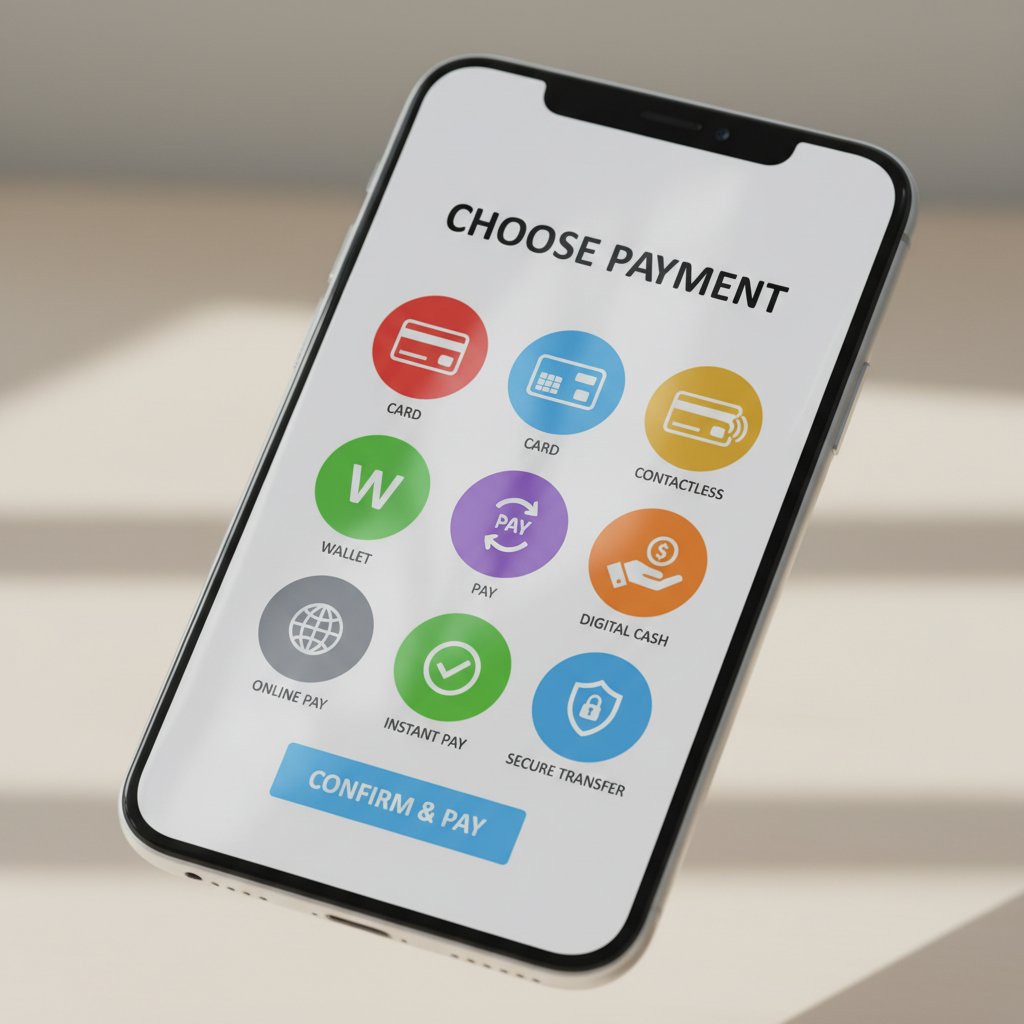
Another myth is that ERP systems provide limited payment options. In contrast, modern ERP systems support a wide range of payment methods, including credit cards, electronic funds transfer, and digital wallets. This flexibility allows businesses to cater to diverse customer preferences, enhancing customer satisfaction and loyalty.
Businesses should explore the capabilities of their ERP system to unlock the full potential of payment options available.
Conclusion
Understanding the truth behind these ERP payment myths is crucial for businesses looking to optimize their operations. By debunking these misconceptions, businesses can make informed decisions and leverage ERP systems to their fullest potential, driving growth and efficiency.
In a rapidly evolving digital landscape, staying informed and adaptable is key to maintaining a competitive edge.