- Blog
- Contact US
- Services
- About
- FAQ
- Sage 300
- Why ERP is the backbone of modern business
- FAQ
- ERP-Pay.com vs Plugin Based Payments
- ERP‑Native Payments: The Definitive Guide
- ERP Native Schema Bi-directional Integration
- Real‑Time Treasury & ERP‑Native Payment Automation
- ERP Payment Processing
- Next-Gen ERP Software Solutions & Native Integrations
- ERP Credit Card Processing
- ERP Software Integration
- ERP Payment Processing Architecture
- ERP Credit Card Processing

Streamlining Oracle ERP with ERP-Pay: A Comprehensive Integration Overview


Introduction to Oracle ERP and ERP-Pay Integration
In today's fast-paced business environment, seamless integration between software systems is crucial for efficiency and productivity. Oracle ERP, a comprehensive enterprise resource planning system, is widely used by organizations to manage business activities. However, integrating Oracle ERP with a specialized payment solution like ERP-Pay can significantly enhance its functionality.
ERP-Pay is designed to streamline payment processes, providing a robust solution that complements Oracle ERP's capabilities. By integrating these systems, businesses can achieve a more efficient workflow, reducing manual errors and improving financial management.

Benefits of Integrating ERP-Pay with Oracle ERP
One of the primary benefits of integrating ERP-Pay with Oracle ERP is the automation of payment processes. This integration minimizes the need for manual data entry, thereby reducing the risk of errors and ensuring accuracy in financial transactions.
Another advantage is improved financial visibility. With ERP-Pay, businesses gain real-time insights into their payment processes, allowing for better decision-making and financial planning. This integration also helps in maintaining compliance with industry regulations by providing detailed transaction records.
Key Features of ERP-Pay
ERP-Pay offers a range of features that enhance Oracle ERP's functionality. These include automated invoice processing, secure payment gateways, and customizable reporting tools. These features help streamline operations and provide businesses with a competitive edge.
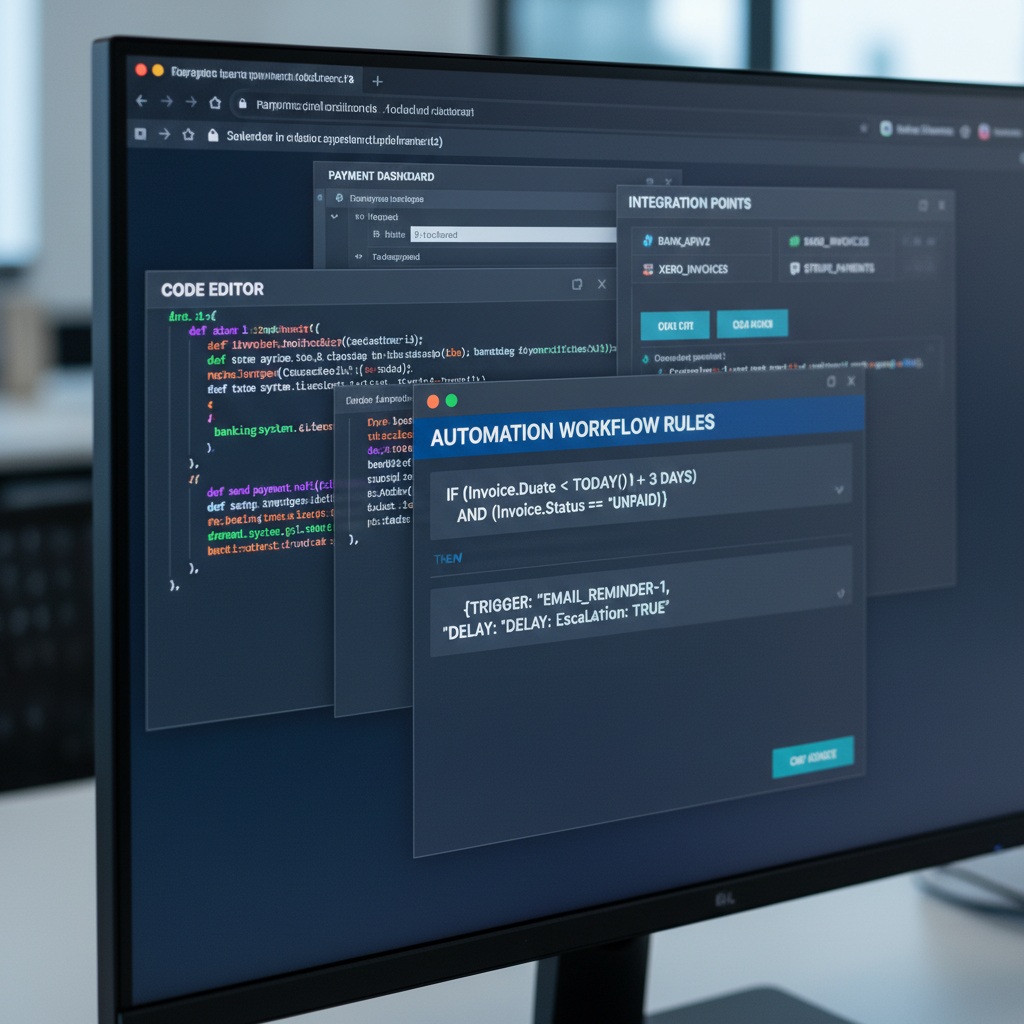
Moreover, ERP-Pay supports multiple payment methods, including credit cards, ACH, and wire transfers, making it a versatile solution for businesses of all sizes. Its user-friendly interface ensures that employees can quickly adapt to and utilize its capabilities.
Steps to Integrate ERP-Pay with Oracle ERP
Integrating ERP-Pay with Oracle ERP is a straightforward process. Here are the key steps involved:
- Conduct a system compatibility check to ensure both systems can communicate effectively.
- Set up API connections between Oracle ERP and ERP-Pay for seamless data exchange.
- Customize ERP-Pay settings to match your business's specific payment processes.
- Test the integration thoroughly to ensure all features are functioning correctly.
- Train staff on using the integrated system to maximize its benefits.

Challenges and Solutions
While integrating ERP-Pay with Oracle ERP offers numerous benefits, businesses may encounter challenges such as data migration issues or system compatibility concerns. However, these can be effectively managed by working with experienced IT professionals who specialize in ERP integrations.
Regular system updates and maintenance are also essential to ensure the integration remains efficient and secure over time. By addressing potential challenges proactively, businesses can fully leverage the advantages of this integration.
Conclusion
Integrating ERP-Pay with Oracle ERP is a strategic move for businesses looking to enhance their payment processes and improve overall financial management. By automating payment workflows and gaining real-time insights, organizations can streamline operations, reduce costs, and achieve better financial outcomes.
As technology continues to evolve, staying ahead with innovative solutions like ERP-Pay integration is crucial for maintaining a competitive edge in today's dynamic market. Embrace the power of integration to unlock new efficiencies and drive business success.